Packaging habits are changing. Visual impact on the supermarket shelf still matters, but functionality, convenience and sustainability are becoming increasingly important in purchasing decisions. Two demographic shifts are accelerating this change: an ageing population and the growth of single-person and single-parent households. In this context, laser perforation gives flexible packaging producers a digital way to create easier opening, resealable and breathable solutions while supporting more recyclable pack structures.
What is laser perforation in flexible packaging?
Laser perforation in flexible packaging is a digital process used to create micro-perforations, macro-perforations and easy-open features without relying on a separate die for each shape.
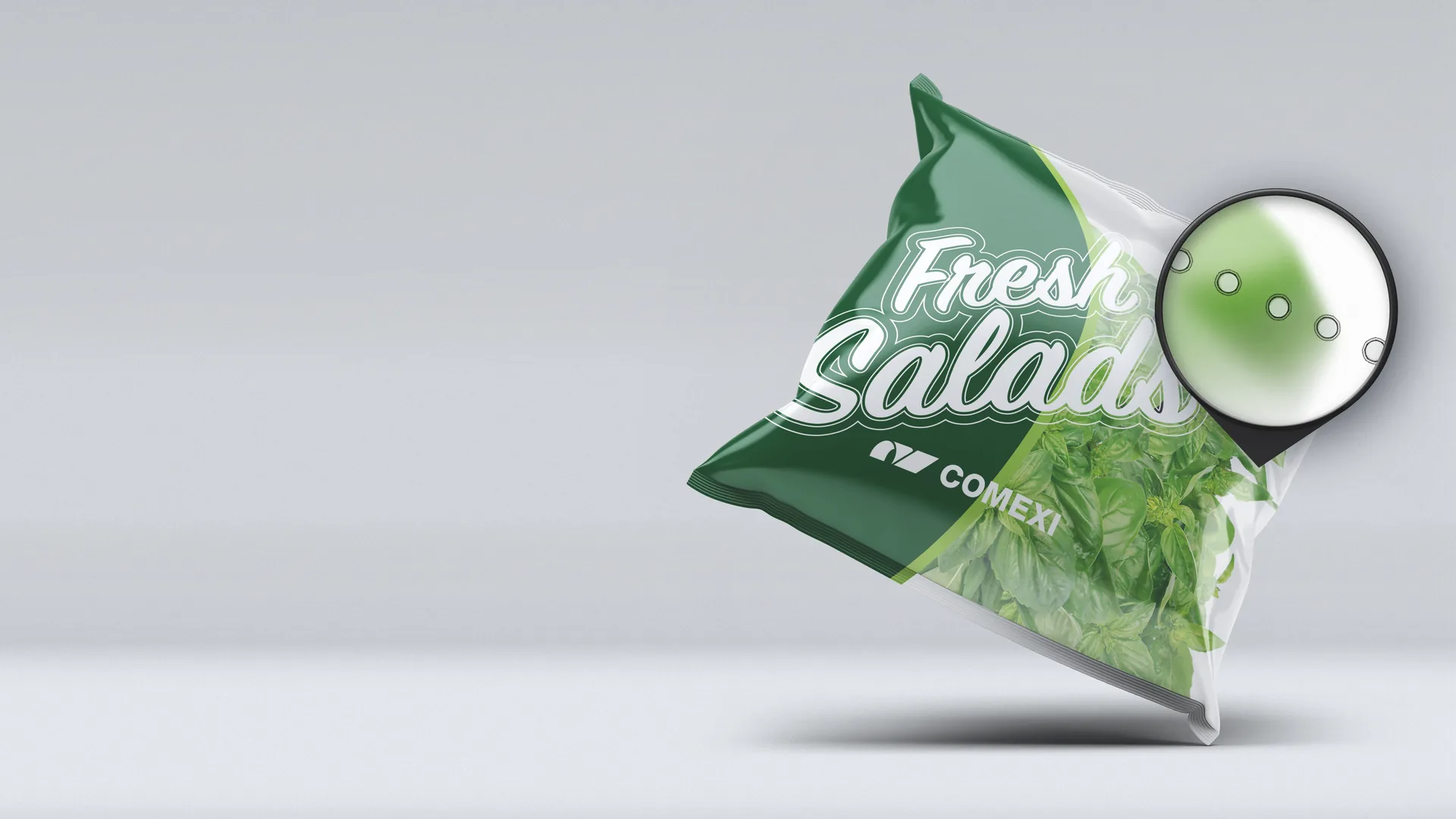
Micro-perforation can be applied to salad packs for Modified Atmosphere Packaging, or MAP, and to vegetable packaging where breathability is required. Macro-perforation can be used in fruit packaging and agricultural mulching.
The digital nature of the process also makes it possible to create customised shapes and functional openings while avoiding the need to produce and store dedicated dies for every design. The same digital approach also enables easy-open applications associated with laser scoring.
Easy open, resealable packaging and recyclability
One of the most relevant advantages of laser technology is that functionality and recyclability can be considered together.
Laser-created easy open features can be designed with customised shapes and combined with resealable labels. This can eliminate the need for zippers or other additional elements that may make recycling more difficult.
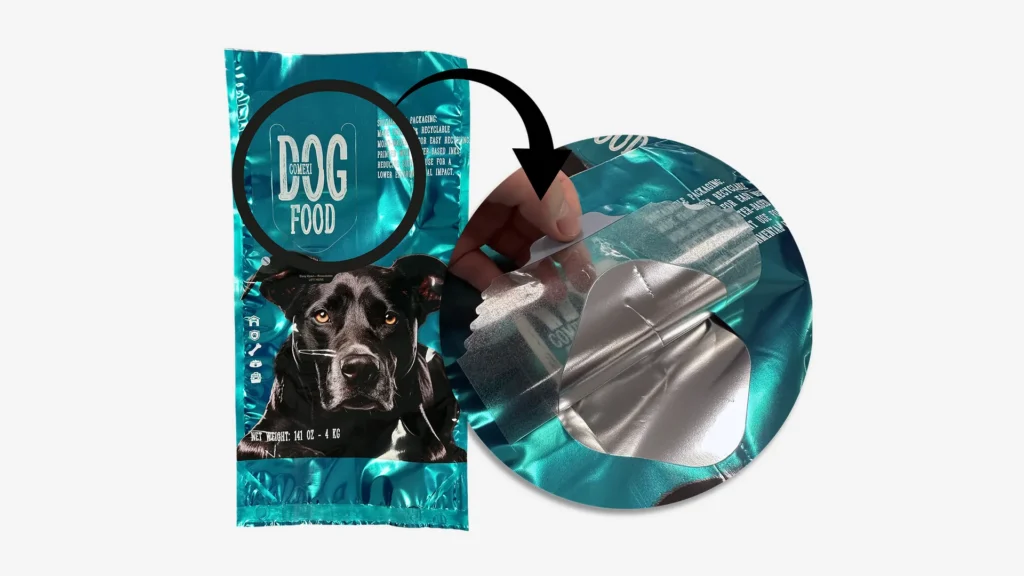
If the resealable label is made from the same material as the package, the result can be a recyclable monoproduct. This is especially relevant in the development of mono material packaging, where the composition of every component matters to the overall recyclability of the pack.
In practical terms, the laser can help create packaging that is easy to open, easy to close again and simpler in material composition. Easy open functionality, resealable packaging and sustainability can therefore be addressed as part of the same packaging concept.
Design freedom without dedicated dies
Laser technology also expands the design possibilities available to packaging producers.
Distinctive shapes can be created in potato and fruit bags and combined with cellulose mesh laminates to develop recyclable and more sustainable solutions. Windows can also be incorporated into bags so consumers can see the contents, integrating cellulose mesh into the pack structure.
The digital character of the process also benefits time to market. Because customised shapes do not require a dedicated die for every design, there is no need to manufacture and store tooling for each new format.
This makes it easier to move from concept to validation and production when new packaging designs or applications are developed.
Integrating laser applications into the production line
The value of laser technology also lies in its ability to bring together applications that traditionally required different processes or machines. Comexi has developed a unified system that integrates applications associated.
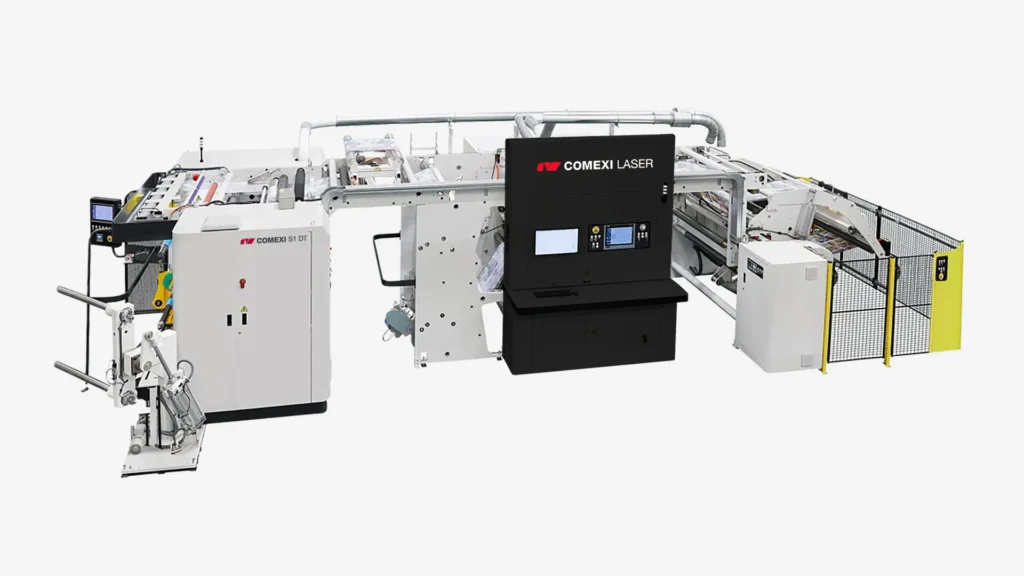
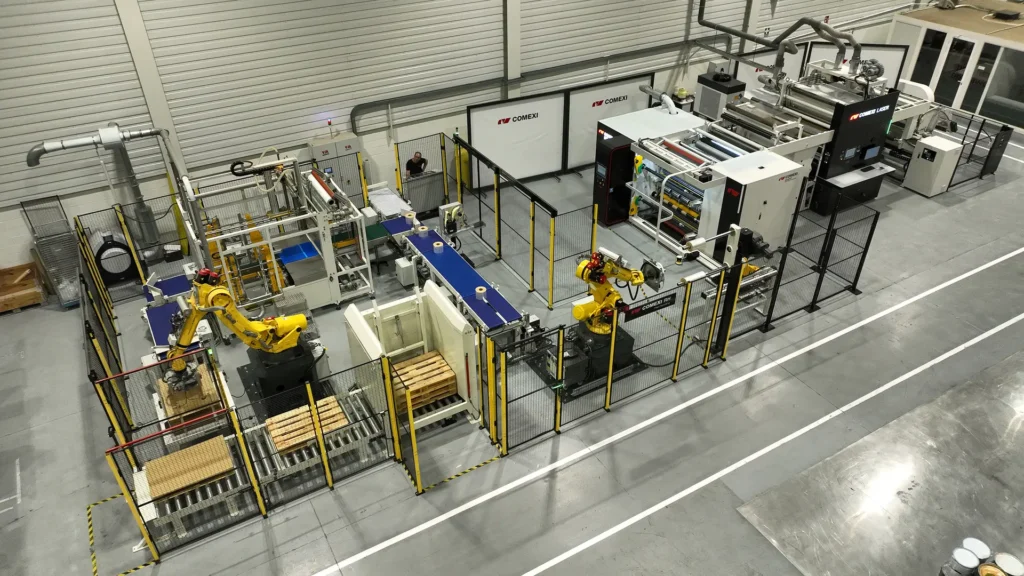
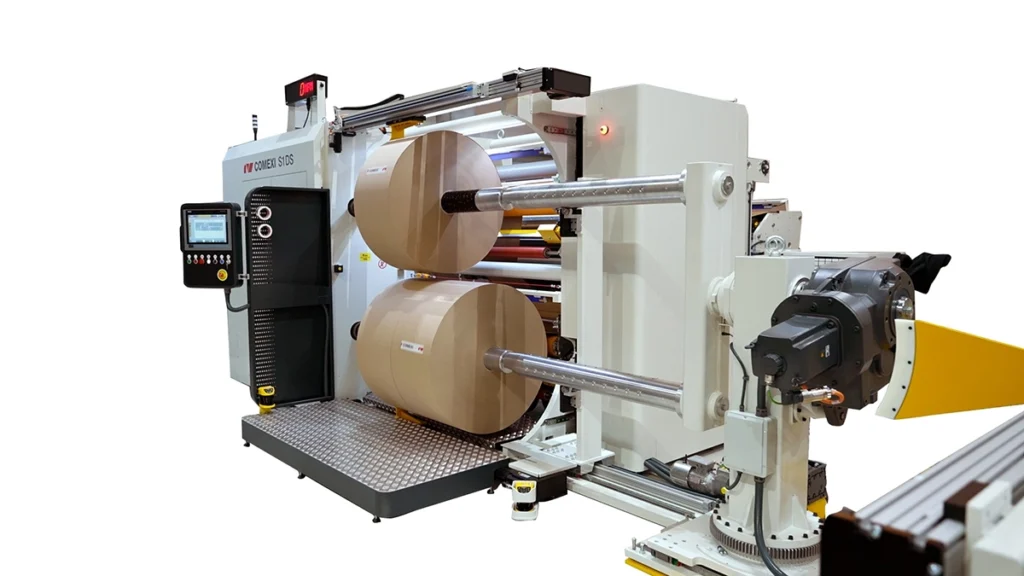
The Comexi Laser solution can be integrated into a Comexi slitter, bringing these applications into the converting workflow. For converters looking at the wider production architecture, Comexi also offers in-line laser technology as part of its slitting and laser solutions. In addition, we can also integrate the labeling machine.
Once the material has been processed, other automation requirements may follow downstream. Comexi addresses that specific area separately in its article on end of line automation in flexible packaging.
Testing and validating laser applications at CTEC
A laser application needs to work with the packaging concept, material and production requirements of each customer. For this reason, Comexi supports the development process through CTEC, its Technology Center.
CTEC has a machine available for testing, small production runs and technology validation. This allows customers to assess new materials and applications before final implementation.
CTEC can also optimise the application and provide detailed work specifications, reducing the amount of adjustment and testing required later by the customer.
Comexi advises on the most suitable solution according to each application. The system is supported by CE, UL or CSA certifications and provides a single point of responsibility and technical service, avoiding the complexity of coordinating multiple suppliers for separate technologies.
Frequently asked questions
What is laser perforation in flexible packaging?
Laser perforation is a digital packaging process used to create micro-perforations, macro-perforations and easy-open features in flexible materials. It can support breathable packs, customised openings and functional designs without requiring a dedicated die for every shape, helping producers combine flexibility, functionality and a shorter time to market.
What is the difference between micro-perforation and macro-perforation?
Micro-perforation is used in applications such as salad packs for Modified Atmosphere Packaging and vegetable packaging, where breathability is required. Macro-perforation is used for applications such as fruit packaging and agricultural mulching. Both are created using the laser system, but they respond to different packaging and product requirements.
Can laser easy-open features work with recyclable mono-material packaging?
Yes. Laser easy-open features can be combined with resealable labels while avoiding zippers or other elements that may make recycling more difficult. If the label is made from the same material as the package, the result can be a recyclable monoproduct, supporting the development of mono material packaging concepts.
Does laser perforation require dies or tooling changes?
Laser perforation is a digital process and does not require a dedicated die for every customised shape. This removes the need to manufacture and store separate dies for each design, making it easier to adapt packaging applications and helping reduce time to market when new formats or functional features are developed.
Exploring the next possibilities of laser in flexible packaging
The potential of laser technology in flexible packaging is still being explored. Its value lies in combining functionality, design freedom, sustainability and production flexibility within the same digital approach.
From micro-perforation and macro-perforation to easy open features, resealable labels and recyclable monoproduct concepts, laser technology gives converters new ways to respond to changing consumer expectations without separating usability from sustainability.
The next step is to validate what the technology can do for a specific material and application. Through CTEC, Comexi can run tests, small productions and technology validation before implementation.
Request a demo or industrial test at CTEC[5] [6] and assess the most suitable laser solution for your packaging project.